
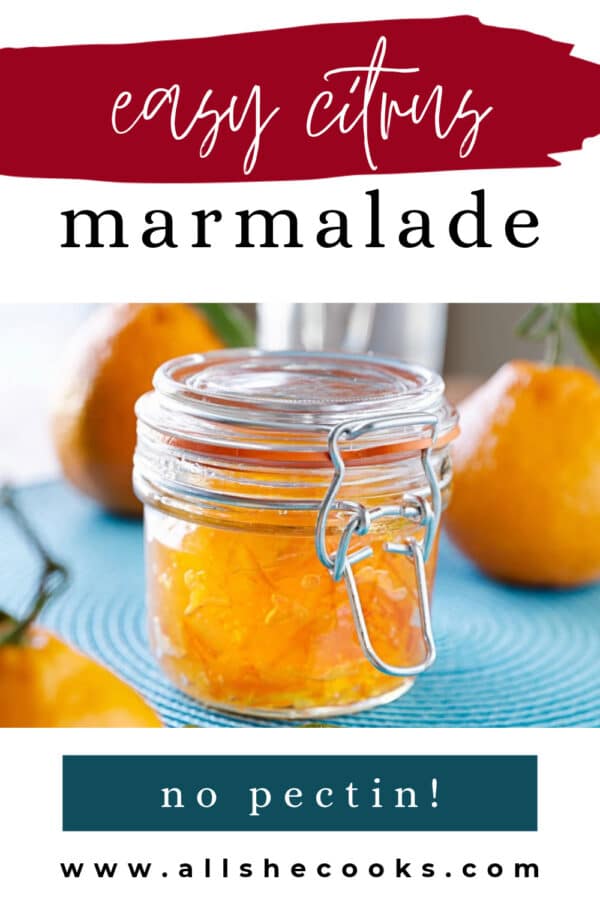
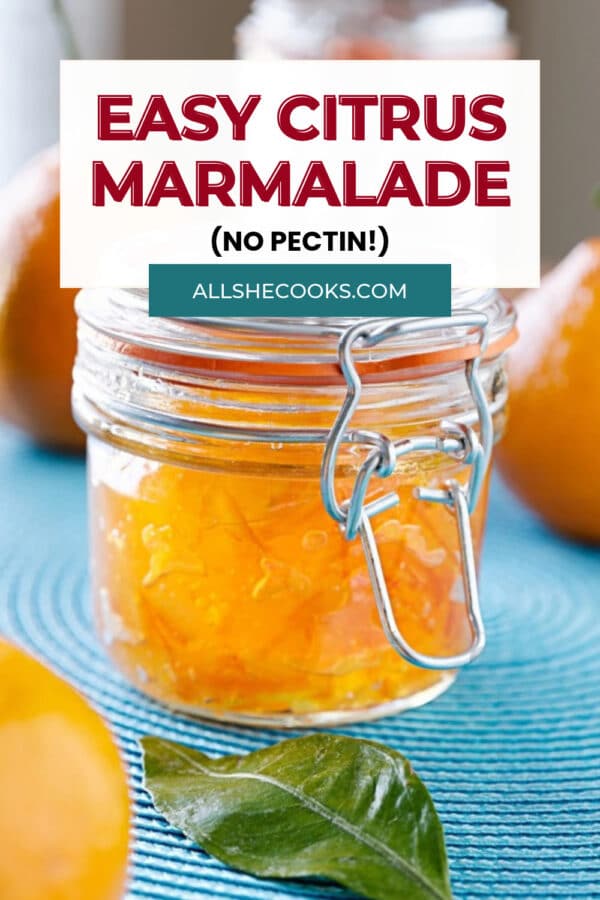
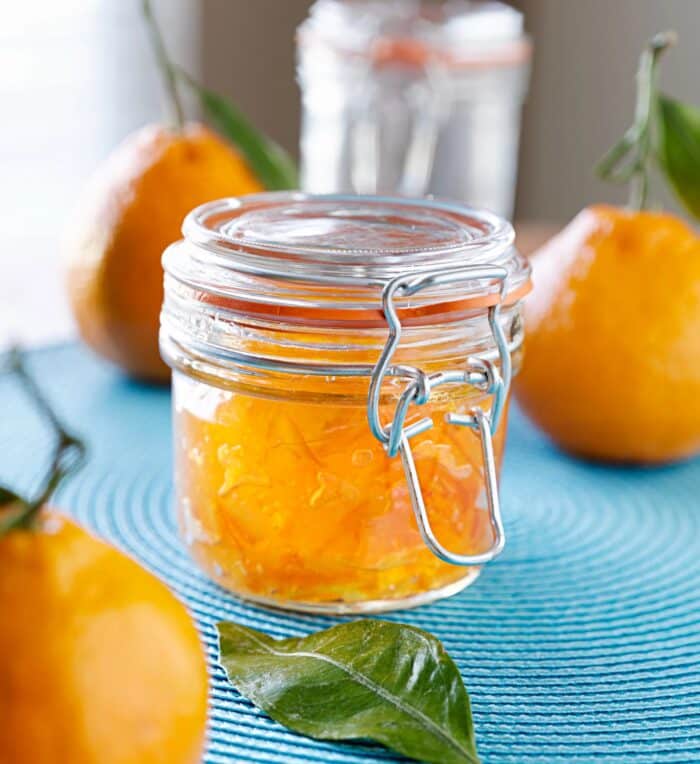
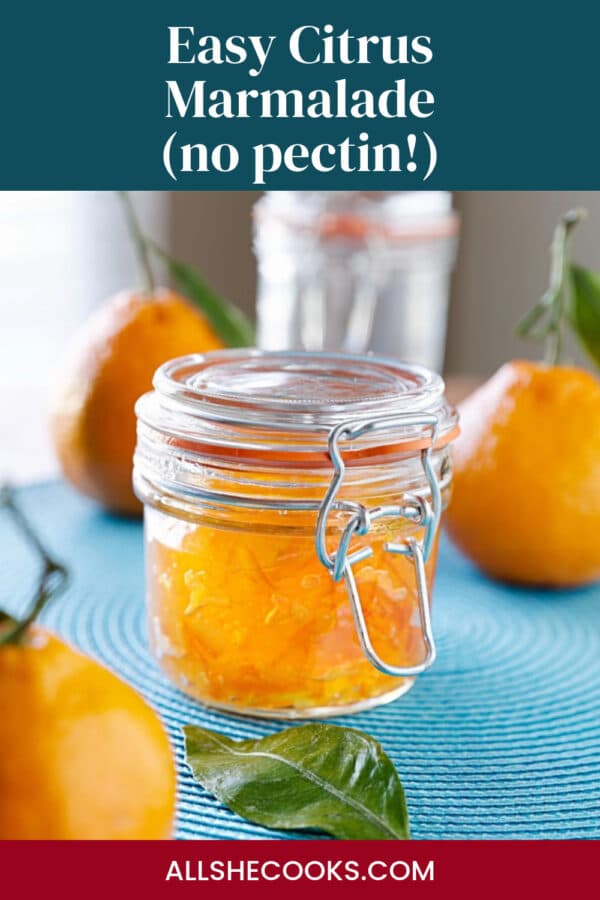
This easy citrus marmalade is sweet, tangy and just a little bit bitter, the way a really good marmalade should be! It's made with grapefruit, oranges and lemon peel, and there's no pectin needed at all.
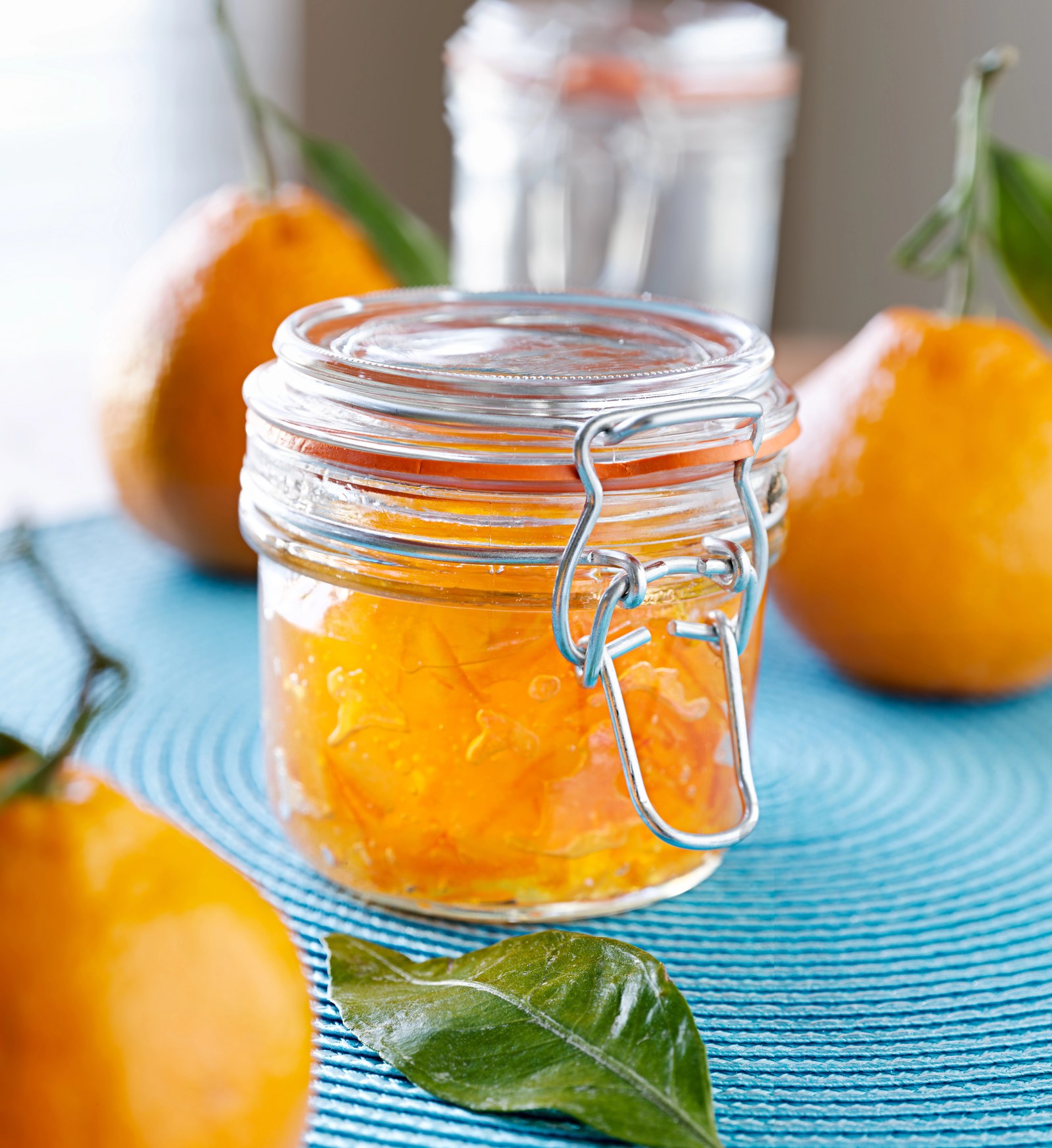
So how does it set without pectin? Citrus peel and the white pith underneath it are naturally loaded with pectin. Simmer the peel, boil it with the fruit and sugar, and it thickens all on its own. It's one of the easiest preserves you can make, and a jar of it on your toast feels like a little bit of sunshine in the middle of winter.
Key Ingredients & Substitutions
- Grapefruit. You'll use both the peel and the chopped fruit. Pink or red grapefruit gives the marmalade a pretty color and a slightly sweeter taste, while white grapefruit is a little more bitter.
- Oranges. Regular navel oranges work great here. Tangerines, clementines and Cara Cara oranges are all delicious too, so use whatever looks best at the store. Tangerine peel is thinner, so it cooks up a bit softer.
- Lemons. Only the peel goes in, but it adds a bright, fresh flavor and a good dose of natural pectin. Meyer lemons are a nice swap if you can find them.
- Sugar. Plain granulated sugar is what you want. It sweetens, of course, but it also helps the marmalade set and keep. I don't recommend cutting it way back, since less sugar means a looser, runnier marmalade.
- Water. Cold water for simmering the peel (it gets drained off) and boiling water for cooking the marmalade itself.
Just about any citrus works for marmalade as long as you keep the total amounts of peel and fruit about the same. Thick-skinned fruit like grapefruit and navel oranges gives you chunky, chewy peel. Thin-skinned fruit like tangerines gives a softer, more delicate texture.
Helpful Tips
Slice the peel thin. Thin strips cook up tender and look so pretty suspended in the jar. Thick pieces can stay tough and chewy, even after a long simmer. A sharp knife and a little patience is all it takes.
Leave a little white pith on. Most recipes tell you to scrape off all the pith because it's bitter. For this one, keep a thin layer on the peel. That's where most of the natural pectin lives, and it's what helps the marmalade set without a box of pectin.
Use a big pot. Marmalade foams up quite a bit once it hits a rolling boil. A large, heavy pot gives it plenty of room and keeps it from boiling over. Stir often so the sugar doesn't scorch on the bottom.
How to tell when it's set. The easiest way is a candy thermometer. You're looking for 220°F at sea level, or 8°F above the temperature water boils at where you live. No thermometer? Try the cold plate test. Pop a small plate in the freezer before you start, then drop a spoonful of marmalade on it and wait a minute. If it wrinkles when you push it with your finger, it's ready!
Give it time. Marmalade keeps thickening as it cools, and it can take a day or two to fully set in the jar. Don't panic if it looks a little loose right after canning.
Variations
- Tangerine marmalade. Swap the oranges and their peel for tangerines. It's a little sweeter and so good on biscuits.
- All orange. Skip the grapefruit and use all orange peel and pulp for a classic orange marmalade.
- Lemon-lime. Use lemon and lime peel in place of the grapefruit peel for an extra tart, zippy version.
- Ginger citrus. Stir in 2 tablespoons of finely chopped crystallized ginger with the sugar for a little warmth.
- Vanilla. Add a split vanilla bean while the marmalade boils, then fish it out before you fill the jars.
Serving Ideas
The classic way is spread on buttered toast with a cup of coffee, and honestly, it's hard to beat. It's also delicious on warm homemade drop biscuits, English muffins and scones, or spooned over buttermilk waffles instead of syrup.
Marmalade isn't just for breakfast, either. Put a little jar out on a cheese board next to brie or sharp cheddar, use it in place of the jam in a brie and jam bruschetta, or warm a few spoonfuls and brush it over ham, pork chops or chicken as a sticky glaze. A jar tied with a ribbon makes a sweet homemade gift for the holidays, too!
Storing & Freezing
Canning vs. the fridge: If you process the jars in a boiling water canner and the lids seal, the marmalade keeps in a cool, dark pantry for up to 1 year. You'll need a canner (any big pot with a rack works) and some half-pint canning jars with new lids. If you'd rather skip canning, just let the filled jars cool and keep them in the refrigerator for up to 3 weeks.
Once you open a canned jar, keep it in the refrigerator and use it within about a month. Any jar that didn't seal goes straight into the fridge, too.
Marmalade also freezes well. Spoon it into freezer-safe jars or containers, leaving about ½ inch of space at the top, and freeze for up to 1 year. Thaw it overnight in the fridge and give it a good stir before serving. If you like the no-canning route, our strawberry freezer jam is another easy one to try.
More Jam Recipes
If you loved this marmalade, here are a few more homemade spreads you might enjoy:
Recipe
Easy Citrus Marmalade
Equipment
- 4 half-pint canning jars with lids and bands
- boiling water canner with rack
Ingredients
- ¾ cup grapefruit peel thinly sliced (from the grapefruit below)
- ¾ cup orange peel thinly sliced (from the oranges below)
- ⅓ cup lemon peel thinly sliced (from about 2 lemons)
- 1 quart cold water
- 1 grapefruit peeled, seeded and chopped, membranes removed
- 4 oranges medium, peeled, seeded and chopped, membranes removed
- 2 cups boiling water
- 3 cups sugar
Instructions
- Wash the fruit well. Peel the grapefruit, oranges and lemons with a vegetable peeler or sharp knife, taking the colored zest and a little of the white pith. Slice the peel into very thin strips, then measure out ¾ cup grapefruit peel, ¾ cup orange peel and ⅓ cup lemon peel.
- Put the sliced peel and the 1 quart of cold water in a large saucepan. Cover and simmer for about 30 minutes, until the peel is tender. Drain and discard the water.
- While the peel simmers, cut the remaining white pith off the grapefruit and oranges. Remove the seeds and tough membranes, then chop the pulp into small pieces, saving any juice.
- Return the drained peel to the pot and add the chopped pulp and juice, the 2 cups of boiling water and the sugar. Stir over medium-high heat until the sugar dissolves, then bring to a rapid boil. Boil, stirring often, until the marmalade reaches 220°F (8°F above the boiling point of water at your altitude), about 20 minutes.
- Remove the pot from the heat and skim off any foam. Ladle the hot marmalade into hot, sterilized half-pint jars, leaving ¼ inch of headspace. Wipe the rims clean and add the lids and bands.
- Process the jars in a boiling water canner for 10 minutes (add time at higher altitudes). Let them cool undisturbed for 12 to 24 hours, then check that the lids have sealed. Makes about 3 to 4 half-pint jars.
Notes
Nutrition
Nutrition details are an estimate, per serving.



Leave a Comment